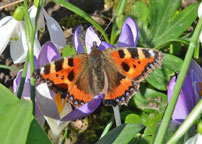
Great Yeldham
27 Feb 2022
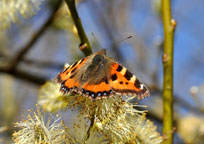
Great Yeldham
24 Mar 2012
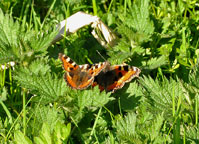
Great Yeldham
8 April 2011
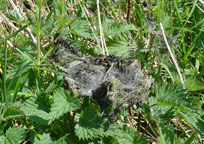
Great Yeldham
23 April 2014
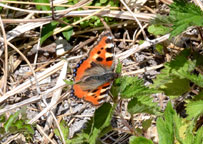
Fleam Dyke, Cambs.
5 May 2013
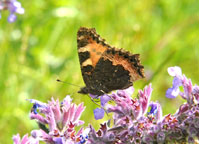
Great Yeldham
20 June 2011
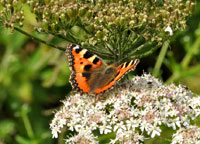
Great Yeldham
24 June 2011
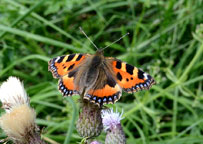
Great Yeldham
26 June 2017
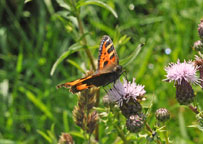
Great Yeldham
29 June 2011
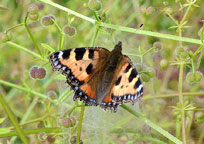
Roseland House
6 July 2019
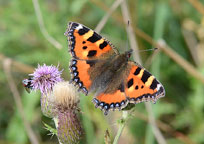
Great Yeldham
25 July 2014
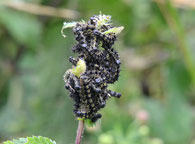
Great Yeldham
23 July 2013
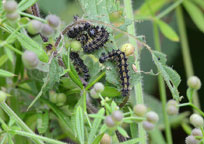
Great Yeldham
23 July 2013
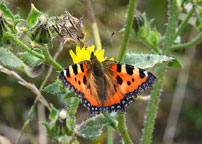
Ouse Washes
12 Aug 2012
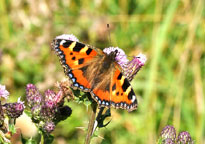
Great Yeldham
1 Sept 2011
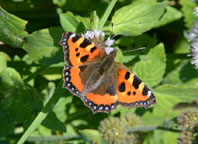
Great Yeldham
15 Sept 2012
The Small Tortoiseshell, Aglais urticae
The Small Tortoiseshell was not very common here. It had almost disappeared by 2012 but after seeing larvae on the nettles in July 2013, record numbers
of adults were seen all over the paddock in August.
In addition to attacks by a wasp which parasitises the catterpillars, since the late 1990s, a parasitic fly, Sturmia bella, has been extending its range north as the climate warms.
The larval food plants are nettles. This species overwinters as adults which hibernate in dry places. The
overwintered adults emerge in spring to produce the first of two broods. The adults of the first brood emerge in late June and July to produce the second
brood which emerges in August and September.
|
March |
April |
May |
June |
July |
August |
Sept |
Oct |
| 2011 |
- |
- |
1 |
3 |
- |
- |
- |
- |
- |
1 |
3 |
3 |
- |
- |
- |
1 |
- |
- |
1 |
1 |
- |
- |
- |
- |
| 2012 |
- |
- |
2 |
- |
- |
- |
- |
- |
- |
- |
- |
- |
- |
- |
- |
- |
1 |
- |
1 |
2 |
- |
- |
- |
- |
| 2013 |
- |
- |
- |
- |
3 |
1 |
1 |
- |
- |
- |
- |
3 |
10 |
10 |
10 |
2 |
34 |
25 |
1 |
1 |
1 |
- |
- |
- |
| 2014 |
1 |
3 |
8 |
5 |
8 |
3 |
3 |
1 |
3 |
3 |
6 |
14 |
14 |
19 |
9 |
4 |
6 |
2 |
1 |
1 |
1 |
- |
- |
- |
| 2015 |
- |
- |
- |
6 |
2 |
1 |
1 |
3 |
1 |
- |
2 |
11 |
58 |
20 |
5 |
6 |
1 |
- |
- |
- |
- |
- |
- |
- |
| 2016 |
- |
- |
- |
1 |
1 |
1 |
2 |
- |
- |
- |
- |
1 |
3 |
5 |
- |
2 |
2 |
4 |
- |
1 |
- |
- |
- |
- |
| 2017 |
- |
- |
2 |
4 |
1 |
0 |
- |
- |
- |
1 |
4 |
11 |
10 |
1 |
3 |
5 |
2 |
1 |
- |
- |
- |
- |
- |
- |
| 2018 |
- |
1 |
- |
- |
1 |
1 |
1 |
- |
- |
- |
3 |
6 |
4 |
1 |
- |
- |
- |
1 |
- |
- |
- |
1 |
- |
- |
| 2019 |
- |
- |
3 |
2 |
1 |
1 |
- |
- |
- |
1 |
1 |
6 |
4 |
2 |
- |
2 |
4 |
5 |
1 |
1 |
- |
- |
- |
- |
| 2020 |
- |
- |
1 |
3 |
3 |
1 |
- |
1 |
1 |
5 |
8 |
4 |
1 |
- |
1 |
- |
- |
1 |
1 |
1 |
- |
- |
- |
- |
| 2021 |
- |
- |
1 |
1 |
- |
1 |
1 |
- |
- |
- |
3 |
3 |
3 |
1 |
1 |
1 |
4 |
6 |
4 |
2 |
1 |
- |
- |
- |
| 2022 |
- |
1 |
4 |
1 |
3 |
- |
1 |
- |
2 |
13 |
11 |
7 |
1 |
1 |
1 |
- |
- |
- |
1 |
- |
- |
- |
- |
- |
| 2023 |
- |
- |
- |
1 |
2 |
1 |
- |
- |
- |
- |
- |
3 |
6 |
2 |
- |
- |
- |
- |
1 |
1 |
- |
- |
- |
- |
| 2024 |
- |
- |
1 |
1 |
1 |
1 |
1 |
1 |
- |
- |
- |
1 |
1 |
1 |
1 |
- |
- |
1 |
1 |
1 |
- |
- |
- |
- |
| 2025 |
- |
- |
- |
- |
- |
- |
- |
- |
1 |
1 |
3 |
2 |
1 |
- |
- |
- |
1 |
- |
- |
1 |
- |
- |
- |
- |
| 2026 |
- |
- |
- |
1 |
- |
- |
1 |
- |
- |
1 |
2 |
1 |
1 |
1 |
1 |
- |
- |
- |
- |
- |
|
|
|
|
Weather notes:
2011. July - early August very wet.
2012. April - mid July very wet. August to mid September dry.
2013. Winter wet, March and early April, very cold. The rest of the spring was mostly cold. July, mostly very warm with caterpillars on the nettles. August, warm.
2014. Winter very wet, mild. Spring was early, colder in mid April. Summer to early August, warm without a drought.
2015. Winter normal, March, April - May mostly cold. Sallow flowers opened on March 28 - 29th. Summer, fairly normal.
2016. Winter normal. Sallow flowers opened on April 2 - 3rd. Spring mostly cool and breezy. For a few weeks in late spring there was heavy rainfall and saturated soil and vegetation.
Late summer with hot, dry periods.
2017. Winter mildish, hardly any frost. Sallow flowers opened on March 14 - 15th. Warm spells in March. April mostly dry and chilly. First Creeping Thistle flowers open on June 13th,
followed by about 7 days of heat wave. Early July was very warm, excellent for counting butterflies. Late summer, autumn normal.
2018. Winter normal with a few days of settled snow. Sallow flowers open on March 26th. March, April mostly cold and wet, May warm. June 11, Bramble flowers opening to greet first Large Skippers.
Mid June to early August, very hot and dry. Autumn mostly dry.
2019. Winter normal. Hardly any frost. Sallow flowers seen on March 10th. Spring mostly cool apart from Easter heatwave. May 31, Bramble flowers starting to open. June 1, Buckthorn in full bloom.
Dryish summer with some heatwaves.
2020. Mildish winter. Sallow flowers open March 10th. Spring mostly cool. Several warm days in early April and through May. May 28 Bramble flowers opening. Record dry May. June nectar sources mostly
Buttercups in the unmown paths, and Brambles.
2021. Winter normal. Very wet, early spring then cold. Sallow flowers opened on March 23rd. Summer with a few hot spells and moderate rain.
2022. Winter, normal. Sallow flowers open on March 18th. Bramble flowers open May 28. Summer, mostly very dry with long hot spells.
2023. Winter normal, some frost. Feb very dry, March very wet. Sallow flowers open on March 21st. Cold wet spring followed by hottest May on record, warm June and wet July. Autumn, mild and wet.
2024. Winter mild and wet. Feb very wet. Sallow flowers open on March 13th. April record rainfall. Late summer, early autumn much dryer.
2025. Early spring very wet, then dry early April to late August, very hot at times.
Validated as HTML5
6 June 2013