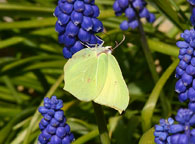
Great Yeldham, Essex
29 Mar 2014
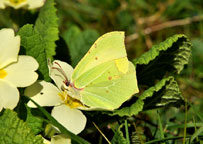
Great Yeldham, Essex
Male. 3 April 2011
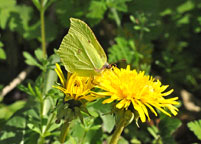
Fleam Dyke, Cambs.
Male. 6 April 2011
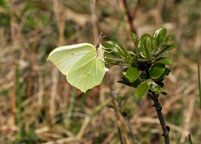
Fleam Dyke, Cambs.
Female. 19 April 2011
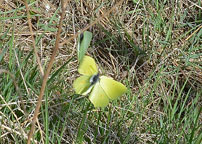
Fleam Dyke, Cambs.
Male. 5 May 2013
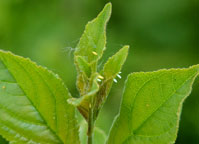
Great Yeldham, Essex
31 May 2014
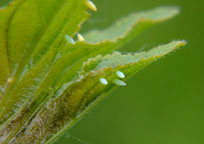
Great Yeldham, Essex
31 May 2014
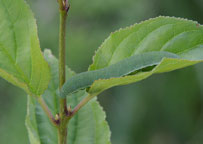
Great Yeldham, Essex
25 June 2014
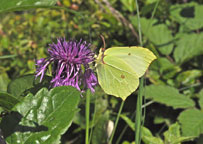
Fleam Dyke
Female. 26 June 2011
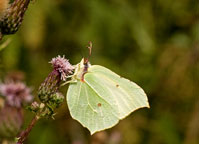
Great Yeldham, Essex
Female. 19 July 2010
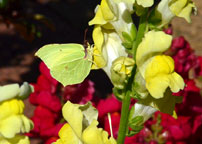
Great Yeldham, Essex
Female. 10 Aug 2023
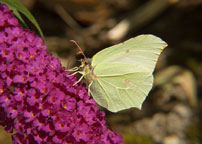
Great Yeldham, Essex
Female. 16 Aug 2009
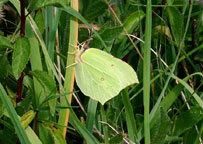
Aston Rowant, Oxon.
26 Aug 2012
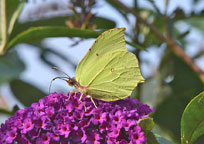
Great Yeldham, Essex
24 Sept 2013
The Brimstone, Gonepteryx rhamni
Brimstones are quite common especially in spring, the almost white females contasting with the darker yellow males.
Fleam Dyke (from Balsham to Fulbourn) is a good spot to see Brimstones. On a hot still day (like 19 April 2011) up to 20 or so can be seen along a short stretch
on the Fulbourn side of the A11.
Except when hibernating they may be seen on the wing at any time of year with a gap in mid July before the fresh new hatchings appear.
They have just one brood per year, the adults hatching in August, and hibernating as adults before taking to flight again in the warmer days of spring. They
breed in early summer, laying their eggs on Buckthorn or Alder Buckthorn.
In 2012 at Roseland House 9 small whips of Common Buckthorn were planted in 3 groups in the paddock. They were planted in the open well away from the
hedges. In 2014 eggs were laid in late June and up to 20 caterpillars seen from June 4th to July 18th.
HIGHEST DAILY COUNTS in early, mid and late month thirds.
Butterfly sightings at Roseland House, Great Yeldham, Essex. About 5 acres of garden, paddock and spinney.
|
March |
April |
May |
June |
July |
August |
Sept |
Oct |
| 2011 |
- |
- |
1 |
1 |
1 |
2 |
- |
- |
- |
- |
- |
- |
- |
- |
- |
- |
- |
- |
- |
- |
- |
- |
- |
- |
| 2012 |
- |
- |
2 |
- |
- |
- |
- |
- |
- |
- |
- |
- |
- |
- |
- |
- |
- |
- |
1 |
- |
- |
- |
- |
- |
| 2013 |
- |
- |
- |
1 |
1 |
1 |
1 |
1 |
- |
1 |
- |
- |
- |
- |
- |
- |
1 |
1 |
- |
- |
1 |
1 |
- |
- |
| 2014 |
2 |
1 |
2 |
1 |
1 |
1 |
- |
1 |
1 |
1 |
- |
- |
- |
- |
- |
1 |
- |
- |
- |
- |
- |
- |
- |
- |
| 2015 |
- |
- |
- |
1 |
2 |
- |
- |
- |
- |
1 |
- |
1 |
- |
- |
1 |
2 |
- |
- |
- |
- |
- |
- |
- |
- |
| 2016 |
- |
- |
- |
- |
2 |
- |
2 |
- |
- |
2 |
- |
- |
- |
- |
- |
1 |
1 |
- |
- |
- |
- |
- |
- |
- |
| 2017 |
- |
1 |
1 |
2 |
- |
1 |
1 |
1 |
1 |
- |
- |
- |
1 |
- |
1 |
- |
- |
- |
- |
- |
- |
- |
- |
- |
| 2018 |
- |
1 |
- |
- |
1 |
- |
1 |
- |
1 |
- |
- |
- |
1 |
- |
1 |
- |
- |
- |
- |
- |
- |
1 |
- |
- |
| 2019 |
- |
- |
1 |
- |
1 |
- |
1 |
- |
2 |
1 |
- |
- |
1 |
- |
1 |
1 |
1 |
1 |
- |
- |
- |
- |
- |
- |
| 2020 |
- |
- |
- |
2 |
2 |
1 |
1 |
1 |
1 |
1 |
- |
1 |
- |
- |
- |
1 |
- |
- |
- |
1 |
- |
- |
- |
- |
| 2021 |
- |
- |
1 |
- |
1 |
- |
1 |
1 |
1 |
- |
- |
- |
- |
1 |
- |
- |
1 |
1 |
1 |
- |
- |
- |
- |
- |
| 2022 |
- |
4 |
2 |
- |
2 |
1 |
1 |
1 |
1 |
2 |
1 |
- |
1 |
1 |
- |
2 |
1 |
- |
- |
- |
1 |
- |
- |
- |
| 2023 |
- |
- |
2 |
2 |
1 |
2 |
1 |
1 |
- |
1 |
1 |
- |
1 |
1 |
1 |
2 |
1 |
2 |
1 |
- |
- |
1 |
- |
- |
| 2024 |
- |
2 |
- |
1 |
3 |
1 |
1 |
1 |
- |
- |
- |
2 |
- |
1 |
1 |
1 |
1 |
1 |
1 |
- |
- |
- |
- |
1 |
| 2025 |
2 |
2 |
1 |
1 |
3 |
2 |
2 |
2 |
2 |
2 |
1 |
1 |
1 |
- |
- |
- |
- |
1 |
- |
1 |
- |
- |
- |
- |
| 2026 |
4 |
2 |
1 |
4 |
- |
4 |
1 |
1 |
2 |
- |
1 |
- |
1 |
- |
- |
- |
1 |
- |
- |
- |
|
|
|
|
Weather notes:
2011. July - early August very wet.
2012. April - mid July very wet. August to mid September dry.
2013. Winter wet, March and early April, very cold. The rest of the spring was mostly cold. July, mostly very warm. August, warm.
2014. Winter very wet, mild. Spring was early, colder in mid April. Summer to early August, warm without a drought.
2015. Winter normal, March, April - May mostly cold. Sallow flowers opened on March 28 - 29th. Summer, fairly normal.
2016. Winter normal. Sallow flowers opened on April 2 - 3rd. Spring mostly cool and breezy. For a few weeks in late spring there was heavy rainfall and saturated soil and vegetation.
Late summer with hot, dry periods.
2017. Winter mildish, hardly any frost. Sallow flowers opened on March 14 - 15th. Warm spells in March. April mostly dry and chilly. First Creeping Thistle flowers open on June 13th,
followed by about 7 days of heat wave. Early July was very warm, excellent for counting butterflies. Late summer, autumn normal.
2018. Winter normal with a few days of settled snow. Sallow flowers open on March 26th. March, April mostly cold and wet, May warm. June 11, Bramble flowers opening to greet first Large Skippers.
Mid June to early August, very hot and dry. Autumn mostly dry.
2019. Winter normal. Hardly any frost. Sallow flowers seen on March 10th. Spring mostly cool apart from Easter heatwave. May 31, Bramble flowers starting to open. June 1, Buckthorn in full bloom.
Dryish summer with some heatwaves.
2020. Mildish winter. Sallow flowers open March 10th. Spring mostly cool. Several warm days in early April and through May. May 28 Bramble flowers opening. Record dry May. June nectar sources mostly
Buttercups in the unmown paths, and Brambles.
2021. Winter normal. Very wet, early spring then cold. Sallow flowers opened on March 23rd. Summer with a few hot spells and moderate rain.
2022. Winter, normal. Sallow flowers open on March 18th. Bramble flowers open May 28. Summer, mostly very dry with long hot spells.
2023. Winter normal, some frost. Feb very dry, March very wet. Sallow flowers open on March 21st. Cold wet spring followed by hottest May on record, warm June and wet July. Autumn, mild and wet.
2024. Winter mild and wet. Feb very wet. Sallow flowers open on March 13th. April record rainfall. Late summer, early autumn much dryer.
2025. Early spring very wet, then dry early April to late August, very hot at times.
Validated as HTML5
20 May 2013